What Size Solar System Does my Central Coast Home Need?
Most people considering solar know what they want: lower bills, less dependence on the grid. Where they get stuck is sizing. Too small and you’ll spend years missing out on savings your system could have delivered. Too large and you’re paying off panels that never earn their keep.
Here’s how to figure out what solar system size will suit your home so you can make the right decision.
How Solar System Size Is Measured
Solar systems are sized in kilowatts (kW), which is the system’s output capacity, or how much electricity it can generate under good conditions. A bigger kW rating means more electricity. That’s the short version.
What Size System Do Most Central Coast Homes Need?
Smaller households with modest usage tend to be well served by a 6.6kW system. It’s the most common entry point for residential solar in Australia for good reason: it covers the basics without overcommitting.
Average family homes generally land between 6.6kW and 10kW. A few people at home, ducted air conditioning running through summer, a decent hot water system. That kind of usage profile typically sits somewhere in this range.
Larger homes or households running higher loads (a pool, multi-zone reverse cycle AC, or an EV charger) are often better off looking at 10kW to 13kW or more.
These are starting points. The right size for your home comes from a proper assessment of your actual usage, not a bracket on a website. If cost is on your mind at this stage, it’s worth looking at what a solar system costs on the Central Coast before going further.
Factors That Determine the Right Size
Daily energy consumption. Your electricity bill shows your average daily usage in kWh. This is the most direct input. A household using 20kWh a day has genuinely different needs from one using 35kWh. The system size that’s right for one will be wrong for the other.
When you use electricity. Solar generates during daylight hours. Households that run dishwashers, washing machines, and air conditioning during the day get more direct value from their panels than households where usage spikes in the evening. If most of your consumption happens after dark, that affects how much of your solar generation you actually capture, and whether storage is worth factoring in.
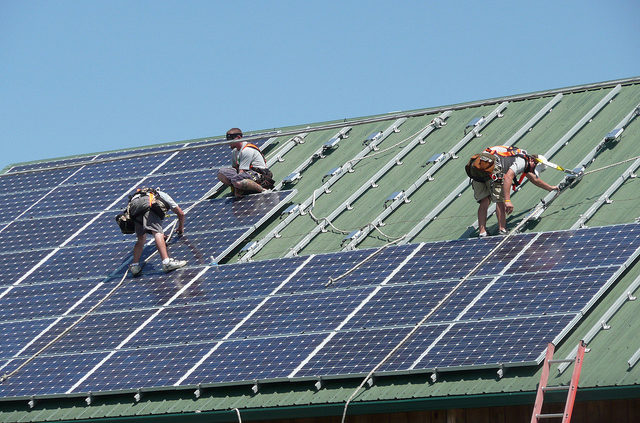
Roof space, orientation, and shading. North-facing roofs on the Central Coast get the strongest output year-round. East and west-facing panels still produce, just less efficiently. Shading from nearby trees or structures cuts into performance more than most people expect, regardless of what the system is rated at on paper.
Future plans. If you’re considering adding an EV charger installation or battery in the future, then make sure to size your solar system for it now. Coming back to retrofit a larger system costs more and is more disruptive than getting it right the first time. At First Choice Electrical, we are a certified Sigenergy installer. If you are considering an integrated solar, battery, and EV charging system, we can assess the full setup in a single visit.
Can You Go Too Big?
Yes. NSW feed-in tariffs have dropped a lot. Excess solar exported to the grid earns far less than it used to. A system sized well beyond your household’s actual usage will produce plenty, but a large portion of that production gets sold back at a low rate rather than reducing your bill. The maths on oversizing just doesn’t work as well as it once did.
The smarter move, if capturing surplus generation is the goal, is adding a battery to store it rather than simply buying more panels. That’s a separate decision, but it’s worth thinking about when you’re weighing up whether a battery is worth adding to your system.
Getting Sized Correctly the First Time
Online calculators give you a number. What they can’t give you is an assessment of your actual roof, your real usage patterns, or the specifics of how your household runs. A poorly sized system costs you either in wasted capacity or in years of undershooting what you could have saved.
The right answer comes from someone who’s looked at your home properly and will tell you what actually suits it, not what’s easiest to sell. The First Choice Electrical team offers free, no-obligation solar assessments across the Central Coast. We’ll work out what suits your home and your usage, not just what’s easiest to install.
Read about our solar and battery installation services, including Sigenergy, Sungrow, Goodwe and other solar and battery systems, available in the Central Coast.